
Direct answer: The best outdoor mural location is a wall that’s visible, structurally sound, and realistically paintable: the surface is stable, the exposure won’t sabotage drying and durability, and you can access the full wall safely without constant interruptions.
Quick takeaways (choose the wall like a pro)
- Visibility beats size. Pick a wall people actually see from the right angles and distances.
- Surface condition matters more than style. Crumbling, chalky, or damp walls shorten mural life.
- Microclimates are real. Fog, shade, wind, sprinklers, and run-off change your schedule.
- Access is the hidden budget. Lifts, sidewalk logistics, and work-hour limits affect timeline.
- Get permissions early. Property owner approval (and sometimes local requirements) should be planned upfront.
1) Visibility and sightlines (how people will actually experience it)
Start by asking: where will people first notice the mural, and how close will they get?
- Across-the-street read: bold shapes, clear contrast, simple focal point.
- Sidewalk read: detail can work, but only if the wall texture allows it.
- Drive-by visibility: clarity and scale matter more than fine texture.
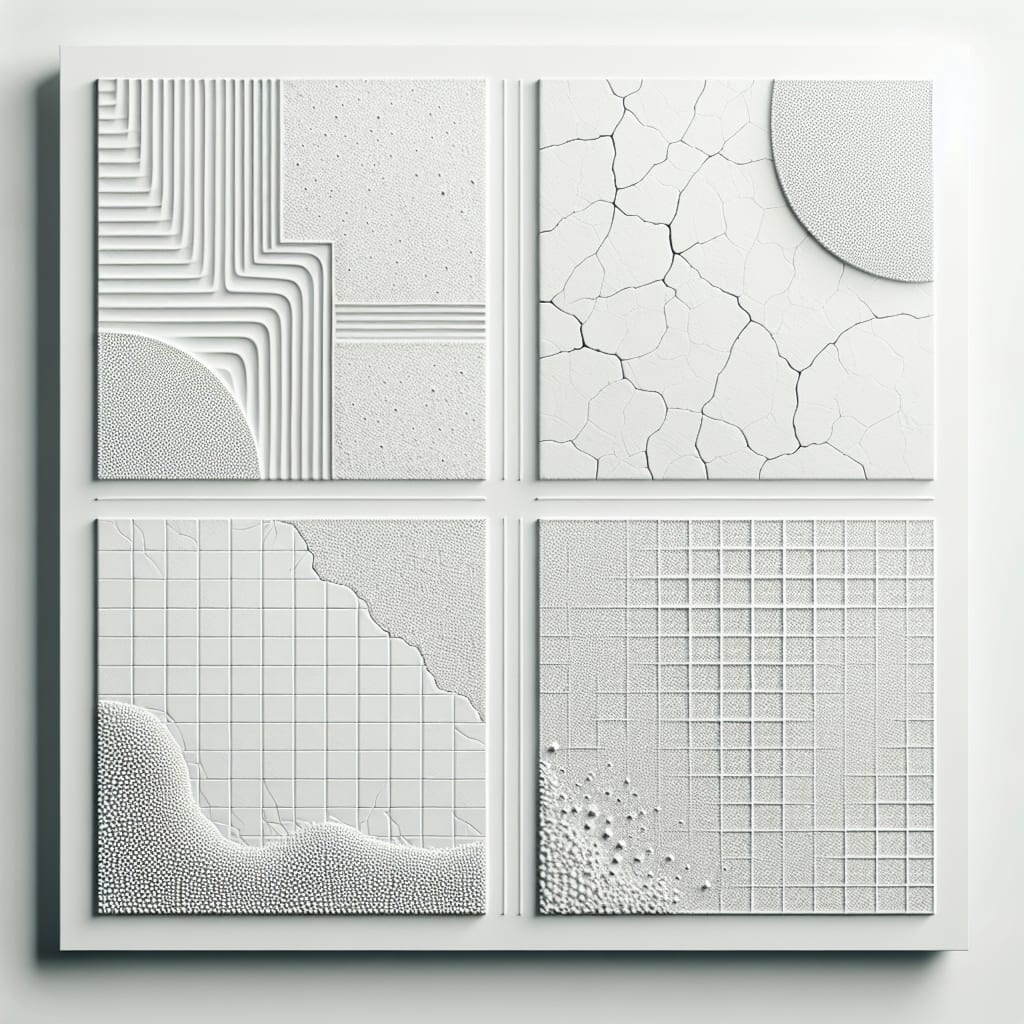
2) Surface type and texture (brick and concrete behave differently)
Outdoor murals live or die by what the paint is bonded to.
“The artist must determine if the texture will influence the way he or she paints.”
— GOLDEN Artist Colors, Painting Exterior Murals
Practical rule: rougher walls usually need bolder design choices (thicker lines, larger shapes) so the mural stays readable.
3) Exposure and weather (Bay Area microclimates)
Before you commit to a wall, look for the things that change dry time and durability:
- Fog + shade: can slow drying and keep walls damp longer.
- Direct sun: can cause rapid drying, glare, and higher UV exposure.
- Wind: affects ladders/lifts and can make painting messy.
- Sprinklers + run-off: hidden “water sources” that sabotage paint systems.
4) Access, safety, and work windows
Even a perfect wall can be a bad mural location if you can’t work on it safely and efficiently.
- Is there room for a lift or scaffolding?
- Does the sidewalk need pedestrian routing or barriers?
- Are there restricted hours (neighbors, schools, business operations)?
Outdoor mural location checklist
- Good visibility from the intended viewing distance
- Surface is solid (not chalky/peeling/damp)
- Manageable exposure (fog, sprinklers, run-off identified)
- Safe access plan (lift/ladder/scaffold) is realistic
- Work hours and site rules are clear
- Property owner permission is secured
FAQ
Is north-facing or south-facing better for outdoor murals?
It depends. The key is understanding sun exposure, glare, and how quickly the wall dries. The “best” wall is the one you can paint properly and protect appropriately.
What if the wall is brick or heavily textured?
Design for the texture: increase line weight and simplify small detail. Texture can be beautiful, but it changes how the mural reads.
Do outdoor murals need a protective finish?
Often, yes—especially in exposed locations. Talk through a protection and maintenance plan based on the wall’s conditions.
Want help choosing a wall in the Bay Area?
Send wall photos (close-up texture + wider shot), rough dimensions, and the city/neighborhood. We’ll tell you what the wall likely needs and what location risks to plan around.
Cities served → · See finished murals →
Related reads
- Prepping concrete walls for long-lasting murals
- Large outdoor mural painting tips (prep, paint, protect)