
Direct answer: A strong mural comes down to the same basics: solid surface prep, a clear layout plan, and a painting sequence that builds clean shapes before fine detail.
Quick takeaways
- Prep the wall like you mean it (clean, repair, prime).
- Transfer the design with a repeatable method (grid/projection).
- Block big shapes first; detail is the last pass.
- Protect the work when the environment demands it.
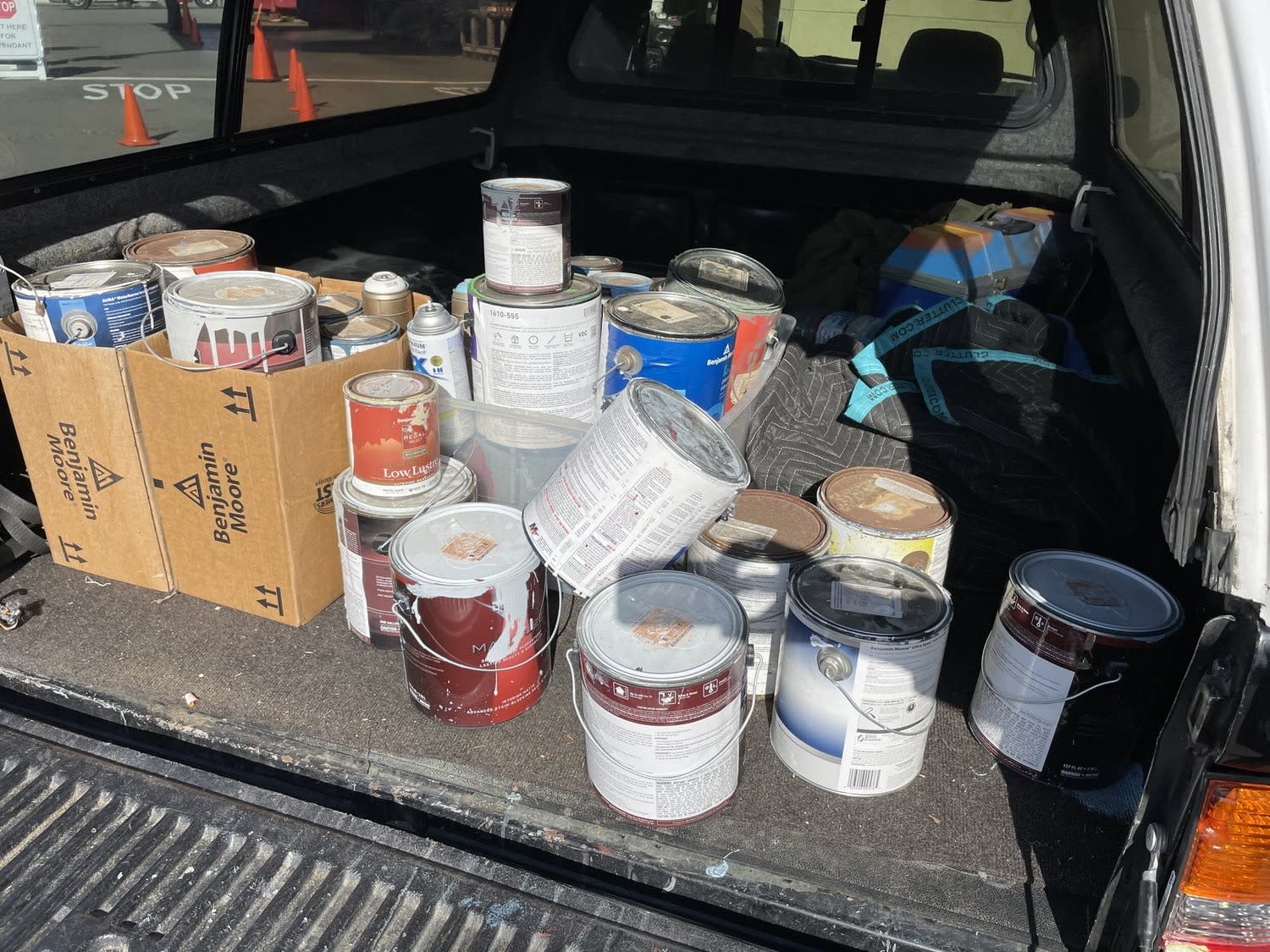
Dispose unused paints the right way!
Throwing paint in the garbage is nasty! If it is oil paint it is down right criminal! It may be easy, especially if the paint can is almost empty or dried, but don’t do it! A lot of states allow water-based latex paint to be thrown away in the trash once solidified, but I just can't bring myself to do it.
Products, such as paints, cleaners, oils, batteries, and pesticides can contain hazardous ingredients and require special care when you dispose of them.
— U.S. EPA, Household Hazardous Waste (HHW), Source
Project checklist
- Surface cleaned + primed
- Layout method chosen
- Palette tested on wall
- Painting sequence planned
- Protection/maintenance plan set
FAQ
Can you paint a mural on any wall?
Most walls can work if they’re properly prepared and the paint system matches the surface. Moisture and flaking paint are the two biggest red flags.
How do you keep the design accurate at scale?
Use a grid or projection to transfer key anchors, then check proportions early before you commit to detail.
Want help with a mural in the Bay Area?
If you want a recommendation for your wall (surface prep, paint system, timeline), send photos and rough dimensions and we’ll help you scope it.
Related reads
- Procreate and how I use it for murals in the bay area
- Techniques For Shape Edges When Painting Freehand